

🏋️♀️ Stepping into the gym for the first time? Exciting, isn’t it? But wait! Before you grab those weights or hop on that treadmill, there’s something you should know. Many beginners make critical mistakes that can hinder their progress or even lead to injuries. Don’t worry, though—we’ve got your back!
In this post, we’ll break down the top crucial mistakes beginners make in the gym and, more importantly, show you how to steer clear of them. Whether you’re looking to build muscle, lose weight, or improve your overall fitness, understanding these pitfalls will set you on the path to achieving your goals faster and more efficiently. So, let’s dive in and transform your workout routine from novice to pro! 💪
Overtraining: Pushing Too Hard, Too Soon

Overtraining: Pushing Too Hard, Too Soon
Enthusiasm in the gym is commendable, but going overboard can lead to overtraining, a common pitfall for beginners. Let’s explore this issue and how to avoid it.
Signs of overtraining
Recognizing overtraining is crucial for maintaining a healthy fitness journey. Here are some red flags to watch out for:
- Persistent fatigue
- Decreased performance
- Frequent injuries
- Mood swings
- Insomnia
- Loss of appetite
Importance of rest and recovery
Rest is not laziness; it’s an essential part of your fitness regimen. Here’s why:
| Benefit | Description |
|---|---|
| Muscle repair | Allows muscles to heal and grow stronger |
| Prevent burnout | Helps maintain motivation and enthusiasm |
| Reduce injury risk | Gives your body time to adapt to stress |
| Improve performance | Leads to better results in the long run |
Creating a balanced workout schedule
To avoid overtraining, structure your routine wisely:
- Alternate muscle groups: Don’t work the same muscles on consecutive days
- Include rest days: Aim for 1-2 full rest days per week
- Vary intensity: Mix high-intensity workouts with lower-intensity sessions
- Listen to your body: Adjust your schedule if you feel excessively fatigued
Remember, progress in fitness is a marathon, not a sprint. By avoiding overtraining, you’re setting yourself up for sustainable, long-term success in your fitness journey.
Poor Form: Sacrificing Technique for Weight

Poor Form: Sacrificing Technique for Weight
Common exercises with frequent form mistakes
Many beginners fall into the trap of prioritizing weight over proper form, leading to ineffective workouts and potential injuries. Here are some exercises often performed incorrectly:
- Squats
- Deadlifts
- Bench Press
- Shoulder Press
- Bicep Curls
Risks of improper form
Improper form can lead to serious consequences:
| Risk | Consequence |
|---|---|
| Muscle imbalances | Uneven strength development |
| Joint stress | Increased risk of injury |
| Reduced effectiveness | Slower progress and muscle growth |
| Chronic pain | Long-term discomfort and limited mobility |
Tips for maintaining correct posture
To ensure proper form:
- Start with lighter weights to master the technique
- Focus on controlled, full range of motion
- Use mirrors or record yourself to check form
- Engage core muscles for stability
- Breathe properly throughout the exercise
When to seek professional guidance
Consider working with a certified personal trainer or experienced gym-goer if:
- You’re new to weightlifting
- You’re experiencing pain during exercises
- You’re not seeing progress despite consistent effort
- You want to learn advanced techniques safely
Remember, proper form is crucial for maximizing results and minimizing injury risk. Prioritize technique over ego lifting, and you’ll build a strong foundation for long-term fitness success.
Neglecting Proper Warm-up and Cool-down
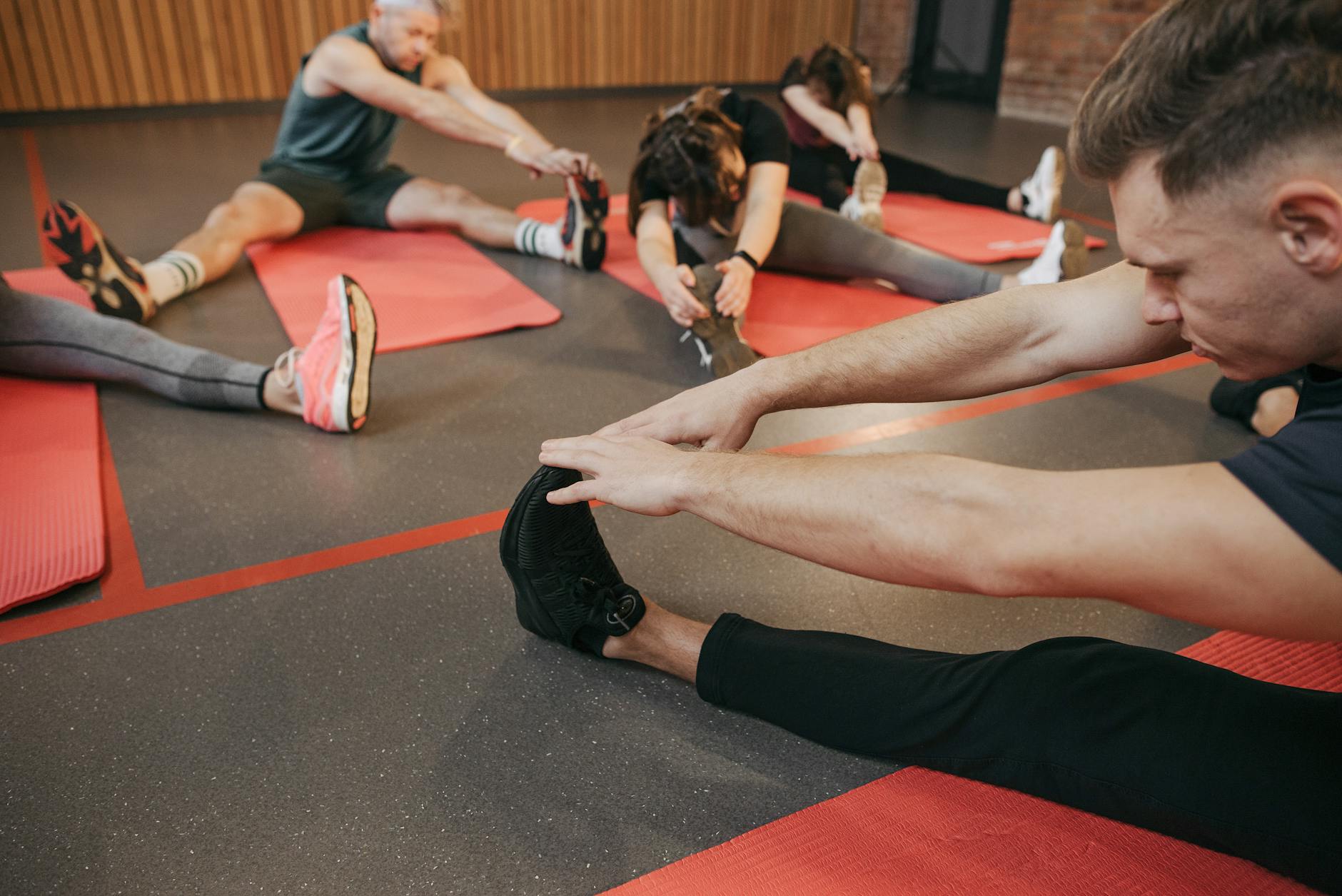
Neglecting Proper Warm-up and Cool-down
Now that we’ve discussed the importance of proper form, let’s dive into another crucial aspect of a successful workout: warm-ups and cool-downs. Many beginners often skip these essential steps, unaware of their significant impact on performance and recovery.
Benefits of an effective warm-up routine
An effective warm-up routine offers numerous benefits:
- Increases blood flow to muscles
- Improves flexibility and range of motion
- Reduces risk of injury
- Enhances mental preparation
| Warm-up Component | Duration | Purpose |
|---|---|---|
| Light cardio | 5-10 minutes | Elevate heart rate |
| Dynamic stretching | 5-7 minutes | Improve flexibility |
| Sport-specific movements | 3-5 minutes | Prepare for workout |
Essential cool-down stretches
Cooling down is equally important for recovery and preventing muscle soreness. Include these stretches:
- Quadriceps stretch
- Hamstring stretch
- Calf stretch
- Chest and shoulder stretch
- Lower back stretch
Hold each stretch for 15-30 seconds, focusing on breathing and relaxation.
Incorporating mobility exercises
Mobility exercises improve joint health and overall flexibility. Add these to your routine:
- Hip circles
- Shoulder rotations
- Ankle rolls
- Spinal twists
By prioritizing proper warm-up and cool-down routines, you’ll maximize your workout effectiveness and minimize the risk of injury. Next, we’ll explore the role of nutrition and hydration in your fitness journey.
Ignoring Nutrition and Hydration

Ignoring Nutrition and Hydration
Many beginners focus solely on their workouts, overlooking the crucial role of nutrition and hydration in their fitness journey. Let’s explore how to fuel your body for optimal performance and recovery.
A. Pre-workout fuel for optimal performance
Eating the right foods before your workout can significantly boost your energy and performance. Here’s a quick guide:
| Timing | Food Choices |
|---|---|
| 2-3 hours before | Complex carbs, lean protein |
| 30-60 minutes before | Simple carbs, easily digestible protein |
B. Post-workout recovery nutrition
After your workout, your body needs nutrients to repair and grow. Aim for a combination of protein and carbohydrates within 30 minutes of finishing your session.
C. Staying hydrated during exercise
Proper hydration is essential for performance and safety. Follow these guidelines:
- Drink 16-20 oz of water 2-3 hours before exercise
- Sip 7-10 oz every 10-20 minutes during your workout
- Replenish fluids post-workout based on weight loss
D. Balancing macronutrients for muscle growth
A balanced diet is key for muscle growth and overall health. Aim for:
- Protein: 1.6-2.2g per kg of body weight
- Carbohydrates: 45-65% of total calories
- Fats: 20-35% of total calories
Now that you understand the importance of nutrition and hydration, let’s explore another common mistake beginners make in the gym.
Copying Others Without Personalization

Copying Others Without Personalization
Now that we’ve covered the importance of fundamental exercises, let’s delve into a common pitfall many beginners face: blindly copying others’ routines without personalization. While it’s natural to look to experienced gym-goers for inspiration, it’s crucial to understand that fitness is not a one-size-fits-all endeavor.
Understanding Individual Fitness Goals
Every person’s fitness journey is unique, shaped by their specific goals, current fitness level, and personal preferences. Here’s a quick breakdown of common fitness goals and their focus:
| Goal | Primary Focus | Secondary Focus |
|---|---|---|
| Weight Loss | Cardio & HIIT | Strength Training |
| Muscle Gain | Strength Training | Nutrition |
| Endurance | Cardio | Flexibility |
| Overall Health | Balanced Approach | Consistency |
Tailoring Workouts to Your Body Type
Your body type plays a significant role in determining the most effective workout strategy. Consider these factors when customizing your routine:
- Ectomorph (slim build): Focus on compound exercises and higher calorie intake
- Mesomorph (muscular build): Balance between strength and cardio
- Endomorph (larger build): Emphasis on fat-burning exercises and diet control
Adapting Exercises for Injuries or Limitations
It’s crucial to modify exercises based on any existing injuries or physical limitations. Always consult with a fitness professional or healthcare provider to ensure your workout plan is safe and effective for your unique situation.
Remember, the key to success in the gym is not mimicking others, but rather developing a personalized plan that aligns with your goals, body type, and individual needs. Next, we’ll explore the importance of consistency and proper planning in your fitness journey.
Skipping Fundamental Exercises

Skipping Fundamental Exercises
Many beginners make the mistake of bypassing essential exercises in favor of more complex or trendy workouts. However, mastering fundamental movements is crucial for building a solid fitness foundation.
Importance of compound movements
Compound exercises engage multiple muscle groups simultaneously, offering numerous benefits:
- Efficient calorie burning
- Improved functional strength
- Enhanced coordination and balance
- Time-saving workouts
Key exercises for overall strength
Incorporating these fundamental exercises into your routine is vital for overall strength development:
| Exercise | Primary Muscles Targeted | Benefits |
|---|---|---|
| Squats | Legs, Core, Back | Lower body strength, improved posture |
| Deadlifts | Back, Legs, Core | Full-body strength, better posture |
| Bench Press | Chest, Shoulders, Triceps | Upper body strength, arm definition |
| Pull-ups | Back, Biceps, Core | Upper body strength, improved grip |
Balancing cardio and strength training
A well-rounded fitness program should include both cardio and strength training:
- Start with 2-3 strength sessions per week
- Incorporate 2-3 cardio sessions, mixing high-intensity and steady-state
- Allow for rest days between workouts
- Gradually increase intensity and duration as fitness improves
By focusing on these fundamental exercises and maintaining a balance between cardio and strength training, beginners can avoid common pitfalls and set themselves up for long-term success in their fitness journey. Next, we’ll explore the importance of consistency and proper planning in achieving your fitness goals.
Inconsistency and Lack of Planning

Inconsistency and Lack of Planning
Now that we’ve covered common mistakes in the gym, let’s focus on a critical aspect of fitness success: consistency and planning. Many beginners struggle with maintaining a regular workout routine and often lack a structured approach to their fitness journey.
Setting realistic fitness goals
Setting realistic goals is the foundation of a successful fitness plan. Here’s a simple framework to help you set achievable goals:
- Specific
- Measurable
- Achievable
- Relevant
- Time-bound
| Goal Type | Example |
|---|---|
| Short-term | Increase squat weight by 10% in 4 weeks |
| Long-term | Run a half-marathon in 6 months |
Creating a sustainable workout routine
A sustainable routine is key to maintaining workout consistency. Consider the following when planning your workouts:
- Start with 2-3 sessions per week
- Gradually increase frequency and intensity
- Include a mix of strength training and cardio
- Allow for rest and recovery days
Tracking progress and adjusting plans
Monitoring your progress helps you stay motivated and allows for necessary adjustments. Use these methods to track your fitness journey:
- Keep a workout log
- Take progress photos
- Measure body measurements
- Perform regular fitness assessments
Remember, consistency is more important than perfection. Stick to your plan, but be flexible enough to adjust when needed. By setting realistic goals, creating a sustainable routine, and tracking your progress, you’ll avoid the common pitfall of inconsistency and set yourself up for long-term success in your fitness journey.
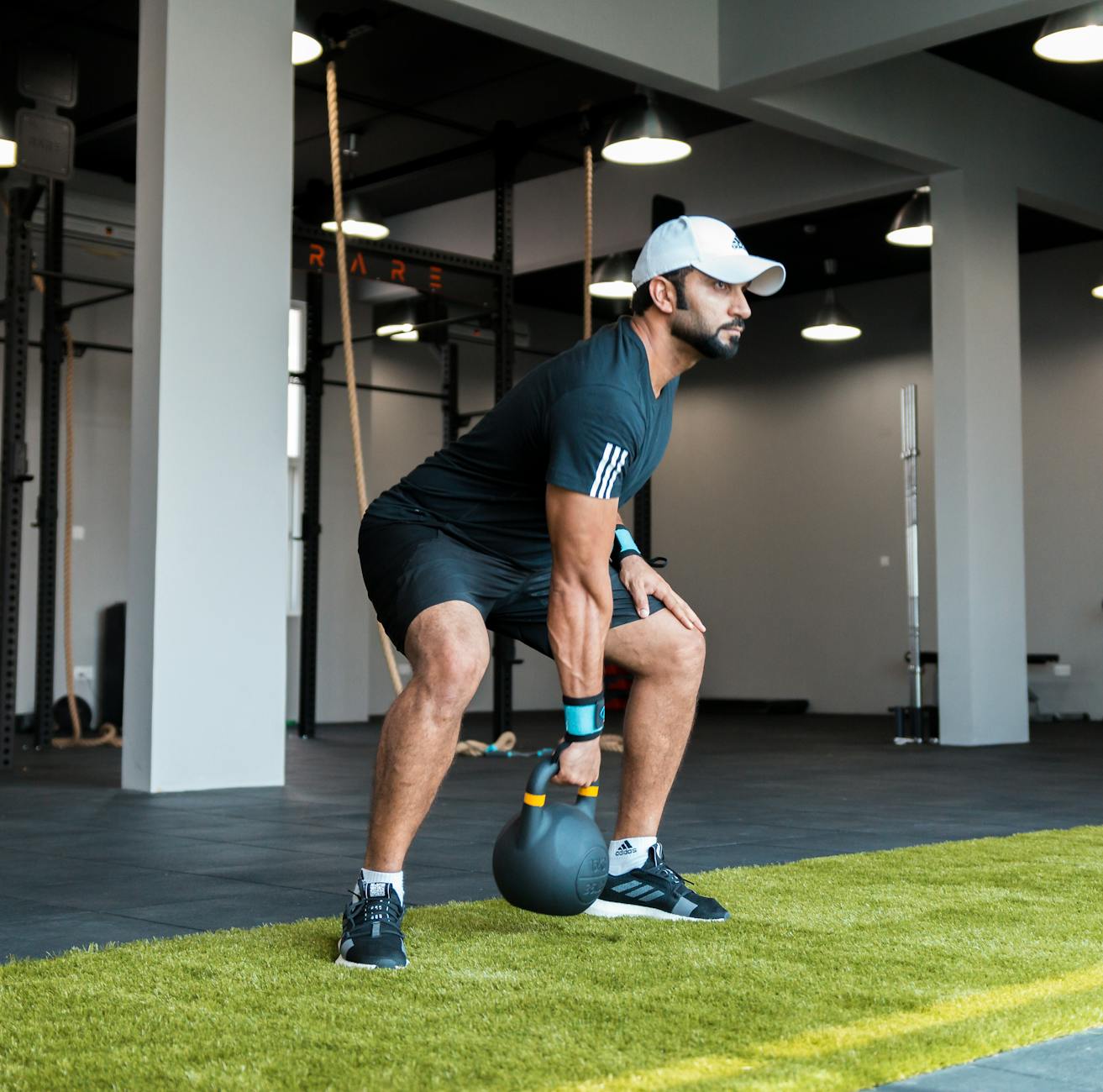
Embarking on a fitness journey can be exciting, but it’s crucial to avoid common pitfalls that can hinder progress or lead to injuries. By steering clear of overtraining, maintaining proper form, and prioritizing warm-ups and cool-downs, you set the foundation for a safe and effective workout routine. Additionally, paying attention to nutrition, hydration, and personalizing your approach will significantly enhance your results.
Remember, consistency and planning are key to achieving your fitness goals. Focus on fundamental exercises, resist the urge to copy others blindly, and stay committed to your tailored program. By avoiding these common mistakes and implementing the strategies discussed, you’ll be well on your way to a successful and rewarding fitness journey. Start smart, stay focused, and watch your progress soar in the gym!
Enthusiasm in the gym is great, but it’s easy to overdo it, especially as a beginner. Overtraining can really set you back, so it’s smart to recognize the signs early. Rest is just as important as the workout itself—it’s not laziness, it’s strategy. Proper form is another key; lifting heavy with bad technique is just asking for trouble. Warm-ups and cool-downs might seem like a waste of time, but they’re game-changers for performance and recovery. Nutrition and hydration often get overlooked, but they’re the foundation of any fitness journey. What’s your take on balancing all these elements—do you think beginners underestimate the importance of rest and recovery?
Great points about the importance of balancing enthusiasm with rest and proper form in the gym! I completely agree that overtraining is a common mistake for beginners, and it’s refreshing to see this issue addressed so clearly. Your emphasis on structuring routines wisely and prioritizing technique over ego lifting is spot on—it’s something I wish more people understood. I’m curious, though, how do you personally balance pushing your limits while avoiding burnout? Also, the section on warm-ups and cool-downs was super helpful—I’ve definitely been guilty of skipping those in the past. What’s your favorite stretch or mobility exercise to include in a cool-down? Overall, this is such a solid guide for anyone starting their fitness journey. Do you have any tips for staying consistent without losing motivation? Looking forward to hearing your thoughts!
Thanks so much for your thoughtful response—it means a lot! You’re absolutely right: finding that balance between pushing yourself and allowing time to recover is one of the biggest learning curves in fitness. For me, I try to keep a flexible mindset. I still aim to challenge myself during workouts, but I pay close attention to how my body feels afterward. If I’m feeling run-down or noticing a dip in performance, I take it as a signal to back off and prioritize rest, mobility work, or even a full rest day. It’s a long game, and I’ve learned that sustainability always beats short-term intensity.
As for cool-downs, I’ve come to really enjoy **world’s greatest stretch**—it targets multiple muscle groups and helps reset my posture after a tough session. I also like incorporating some deep breathing during stretches to calm the nervous system.
For staying consistent, I’d say the biggest game-changer has been shifting focus from motivation to **habit**. Motivation comes and goes, but building a routine and celebrating small wins keeps things moving. Setting short-term goals (like nailing form on a specific lift or improving flexibility) gives me something to work toward without burnout.
Appreciate your support and great questions—let’s keep the conversation going as you progress on your fitness journey! 💪🔥
This is a really insightful read, especially for someone like me who’s just starting out in the gym. I’ve definitely felt the temptation to push myself too hard, thinking more is always better, but this article made me realize how important balance is. The part about rest being essential, not lazy, really hit home—I’ve always felt guilty for taking rest days. I also appreciated the emphasis on proper form over lifting heavy; it’s easy to get caught up in ego lifting, but I see now how risky that can be. The warm-up and cool-down tips were super practical—I’ll definitely start incorporating those into my routine. One thing I’m curious about, though: how do you know if you’re overtraining versus just being tired from a good workout? Would love to hear your thoughts!
Thank you so much for your kind words—really glad the article resonated with you! It’s totally normal to feel that urge to go all-in when you’re starting out, but as you picked up, balance is key to long-term progress and injury prevention.
You brought up a great question about overtraining vs. regular post-workout fatigue. A good workout will leave you tired, but you should still feel mentally energized and start to recover within a day or two. Overtraining, on the other hand, often shows up as persistent fatigue, trouble sleeping, decreased performance, mood changes, or even frequent illnesses.
If you’re feeling sore and sluggish for more than 72 hours or notice your motivation dipping for no clear reason, it might be time to dial things back and prioritize recovery. Listening to your body is a skill—it gets easier the more you practice it.
Appreciate you taking the time to share your thoughts, and feel free to reach out with more questions as you continue your fitness journey! 💪