

If you’ve been struggling with stubborn belly fat that refuses to budge despite your best efforts, you’re not alone. For women especially, that persistent layer around the midsection can feel like an impossible challenge. But there’s good news – understanding why female belly fat is so stubborn is the first step to finally conquering it. In this article, we’ll explore the science behind stubborn belly fat in females and reveal proven strategies that can help you achieve the results you’ve been working so hard for.
Why Belly Fat Sticks Around (Especially for Women)
When it comes to losing weight, not all fat is created equal. For women especially, belly fat can be particularly stubborn due to several biological factors that work against even your most dedicated efforts.
The Science of Female Fat Storage
Women naturally carry 6-11% more body fat than men. This isn’t a flaw – it’s actually by biological design. Studies show that estrogen influences how women store fat, often directing it to the abdomen, especially after menopause when estrogen levels decline.
What makes belly fat so resistant to your efforts? It comes down to the type of fat cells in your abdomen. Your body contains two types of fat cells: alpha and beta. Alpha cells respond quickly to fat-burning efforts, while beta cells are much more resistant to change.
Unfortunately, your abdominal area contains a higher concentration of these stubborn beta cells compared to other body parts like your arms or face. This explains why you might notice weight loss in your face or limbs first, while your belly seems to stay the same size.
Hormonal Factors That Work Against You
As women age, hormonal changes significantly impact where and how fat is stored. Declining estrogen levels during perimenopause and menopause redirect fat storage from the hips and thighs to the abdomen. This shift isn’t just frustrating aesthetically – it also increases health risks.
Stress hormones like cortisol also play a major role. When you’re chronically stressed (as many women are), your body produces more cortisol, which signals your body to store fat specifically in your abdominal area. This creates a frustrating cycle where stress about your appearance actually contributes to the problem.
Tired of Fighting a Losing Battle?
Most women don’t realize they’re using strategies that work against their unique biology. Discover the method specifically designed to target female belly fat at its source.
Click here to discover the #1 method to melt stubborn belly fat
Understanding Visceral vs. Subcutaneous Fat
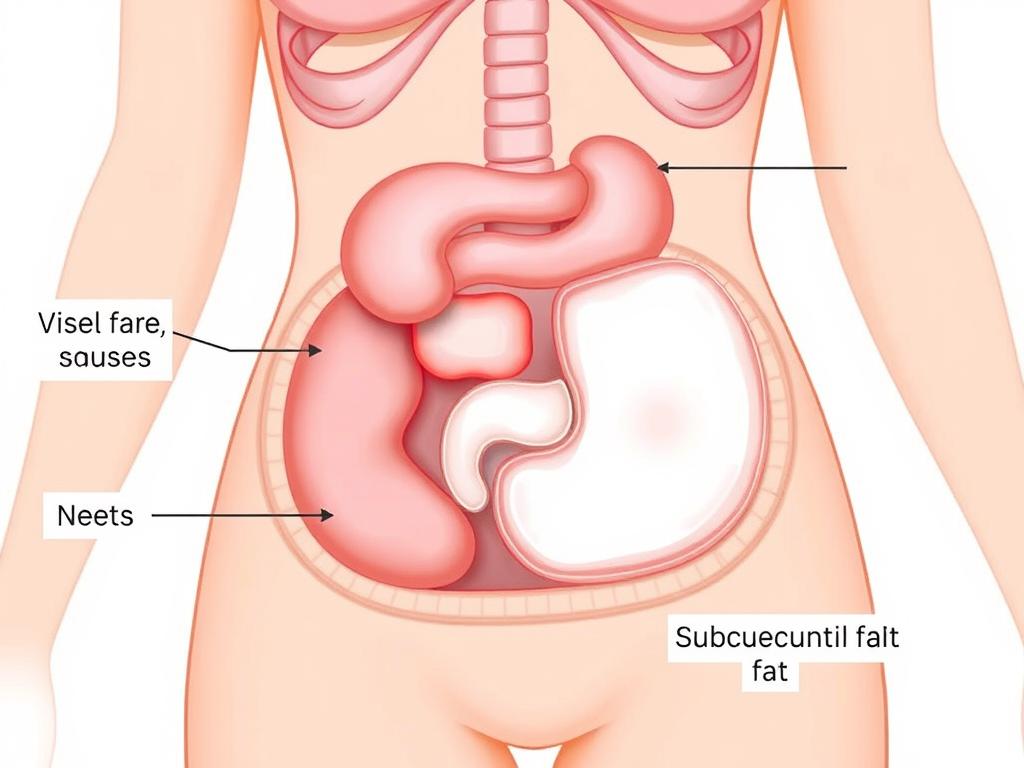
Not all belly fat is the same. The fat around your midsection actually comes in two distinct types, each with different implications for your health and weight loss journey.
Subcutaneous Fat: The Fat You Can Pinch
Subcutaneous fat lies just beneath your skin – it’s the soft, pinchable layer you can grab with your fingers. While it might be cosmetically frustrating, this type of fat is actually less dangerous to your health. In women, subcutaneous fat makes up about 90% of total body fat.
This type of fat serves some important functions, including temperature regulation and energy storage. However, excessive subcutaneous fat, especially around the abdomen, can still indicate potential health concerns.
Visceral Fat: The Hidden Danger
The more dangerous type is visceral fat – the deep abdominal fat that surrounds your internal organs. You can’t directly see or feel visceral fat, but it’s far more metabolically active and potentially harmful.
Visceral fat acts like an endocrine organ, releasing inflammatory substances and hormones that can increase your risk of serious health conditions including heart disease, type 2 diabetes, and certain cancers. For women, especially after menopause, visceral fat accumulation increases significantly.
The good news? Visceral fat, despite being more dangerous, actually responds better to proper diet and exercise than stubborn subcutaneous fat. This means that making the right lifestyle changes can have a significant impact on your health, even if you don’t immediately see dramatic changes in how your stomach looks.
5 Mistakes Women Make When Trying to Lose Belly Fat

If you’ve been working hard but seeing minimal results, you might be falling into these common traps that many women encounter when trying to lose stubborn belly fat.
Recognizing these mistakes is crucial because they can sabotage even the most dedicated efforts. Many women spend months or even years working hard but seeing minimal results because they’re unknowingly working against their own biology.
Stop Wasting Your Efforts on Strategies That Don’t Work
Why spend more months feeling frustrated when there’s a proven approach designed specifically for female biology? Thousands of women have already discovered this game-changing method.
Click here to discover the #1 method to melt stubborn belly fat
The Hidden Health Risks of Excess Belly Fat
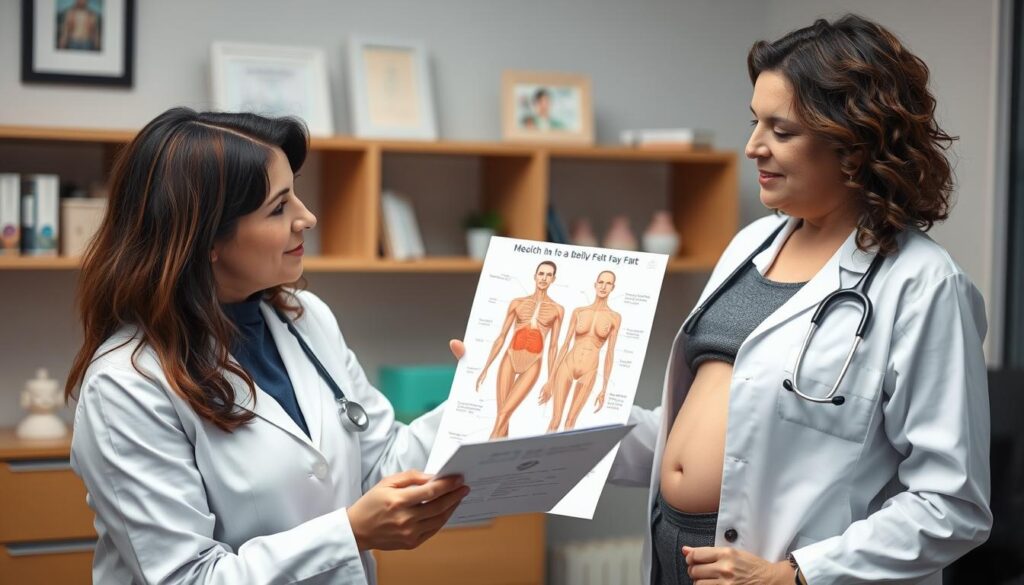
While many women focus on the aesthetic aspects of belly fat, the health implications are far more serious and deserve attention. Understanding these risks can provide powerful motivation beyond appearance.
Beyond Appearance: Why Doctors Worry About Belly Fat
Excess abdominal fat, particularly visceral fat, is metabolically active tissue that produces hormones and inflammatory substances. These biochemicals can significantly impact your overall health in ways many women don’t realize.
These health risks make addressing stubborn belly fat not just a matter of appearance but a significant health priority. The good news is that reducing even modest amounts of belly fat can substantially improve these health markers.
7 Science-Backed Strategies to Combat Stubborn Female Belly Fat

Now that we understand why belly fat is so stubborn for women, let’s explore evidence-based strategies that actually work. These approaches are specifically effective for the unique challenges women face with abdominal fat.
1. Prioritize Protein at Every Meal
Research shows that higher protein intake increases the release of the fullness hormone PYY, which decreases appetite and promotes satiety. For women specifically, protein helps preserve muscle mass during weight loss, which keeps your metabolism running efficiently.
Aim for at least 20-30 grams of quality protein at each meal. Great sources include eggs, lean meats, fish, Greek yogurt, and plant-based options like lentils and chickpeas. This simple change can dramatically reduce cravings and prevent overeating.
2. Incorporate Strategic Strength Training
While spot reduction doesn’t work, resistance training is particularly effective for women trying to lose belly fat. Studies involving women with excess abdominal fat show that strength training significantly reduces visceral fat compared to cardio alone.
Focus on compound movements that work multiple muscle groups simultaneously, such as squats, deadlifts, and push-ups. Even just 2-3 sessions per week can make a significant difference in how your body processes and stores fat.
3. Manage Stress Intentionally

For women, stress management isn’t just about mental health—it’s a crucial component of belly fat reduction. High cortisol levels from chronic stress directly signal your body to store fat in your abdomen.
Incorporate stress-reduction techniques like meditation, yoga, or even simple deep breathing exercises into your daily routine. Studies show that women who practice stress management techniques experience greater reductions in belly fat compared to those who focus only on diet and exercise.
4. Optimize Sleep Quality and Quantity
Poor sleep disrupts the hormones that regulate hunger and satiety, leading to increased appetite and specifically, cravings for high-carb foods that contribute to belly fat. For women, this effect is even more pronounced.
Aim for 7-8 hours of quality sleep each night. Create a consistent sleep schedule, limit screen time before bed, and create a cool, dark sleeping environment. This simple change can dramatically improve your body’s ability to burn fat efficiently.
5. Focus on Fiber-Rich Foods
Soluble fiber absorbs water and forms a gel that slows down food as it passes through your digestive system, leading to increased feelings of fullness. Studies show that for every 10g increase in soluble fiber consumed daily, belly fat gain decreased by 3.7% over five years.
Excellent sources include berries, apples, flaxseeds, legumes, and oats. Aim for at least 25-30 grams of total fiber daily, with an emphasis on soluble fiber sources.
6. Try Strategic Intermittent Fasting
Research suggests that intermittent fasting approaches may be particularly effective for reducing stubborn belly fat in women. One study found that combining intermittent fasting with protein pacing led to greater reductions in visceral fat compared to traditional calorie restriction.
A gentle approach like a 12-hour overnight fast (e.g., finishing dinner by 7 PM and eating breakfast after 7 AM) can be effective without causing hormonal disruptions that more extreme fasting might trigger in women.
7. Reduce Added Sugar Consumption

Studies show a direct link between high sugar intake and increased abdominal fat. As women age, they become more insulin resistant, making them even more prone to storing excess sugar as belly fat.
Focus on reducing added sugars, particularly in beverages and processed foods. Be vigilant about reading labels, as many “healthy” foods contain surprising amounts of hidden sugars. This single change can have a dramatic impact on stubborn belly fat.
“While these strategies are proven to help, many women find that combining them with a structured approach specifically designed for female biology yields the fastest and most sustainable results.”
Ready for a Complete Solution?
These strategies work, but implementing them all perfectly takes time and effort. Discover the complete system that thousands of women are using to finally see results.
Click here to discover the #1 method to melt stubborn belly fat
How to Properly Track Your Progress (Beyond the Scale)

When it comes to losing stubborn belly fat, the bathroom scale doesn’t tell the whole story. In fact, focusing solely on weight can be misleading and discouraging, especially for women.
Better Metrics Than Weight Alone
Remember that for women especially, hormonal fluctuations throughout the month can cause water retention and bloating that mask fat loss progress. Tracking these alternative metrics gives you a more accurate picture of your true progress.
Pro Tip: Take measurements and photos first thing in the morning, before eating or drinking, and at the same point in your menstrual cycle each month for the most consistent results.
Real Women, Real Results: Success Stories
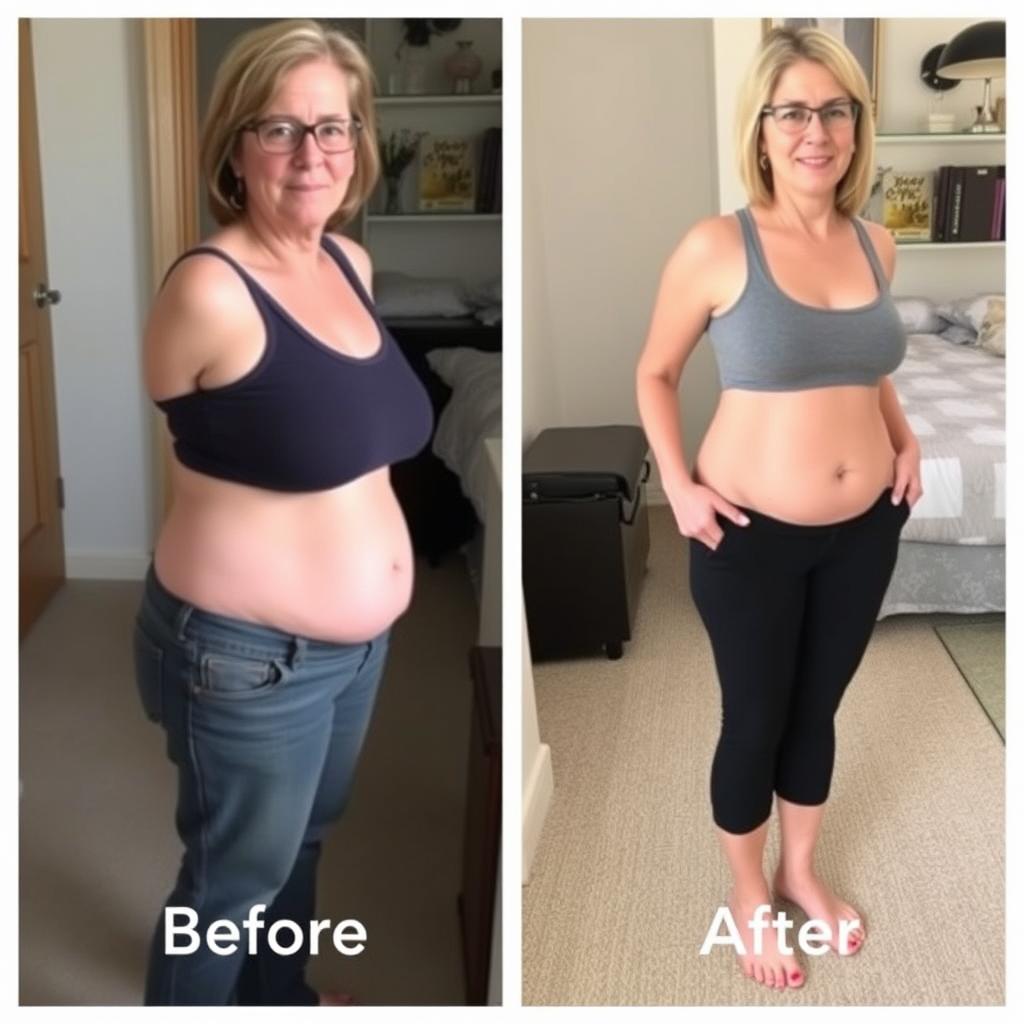
Sarah’s Journey: From Frustrated to Transformed
“After three children and entering my 40s, I thought my belly pooch was just something I had to live with. I tried everything – counting calories, endless cardio, even waist trainers. Nothing worked until I discovered the importance of addressing the hormonal aspects of belly fat. Within 8 weeks of changing my approach, I lost 3 inches from my waist, even though the scale only showed a 7-pound difference.”
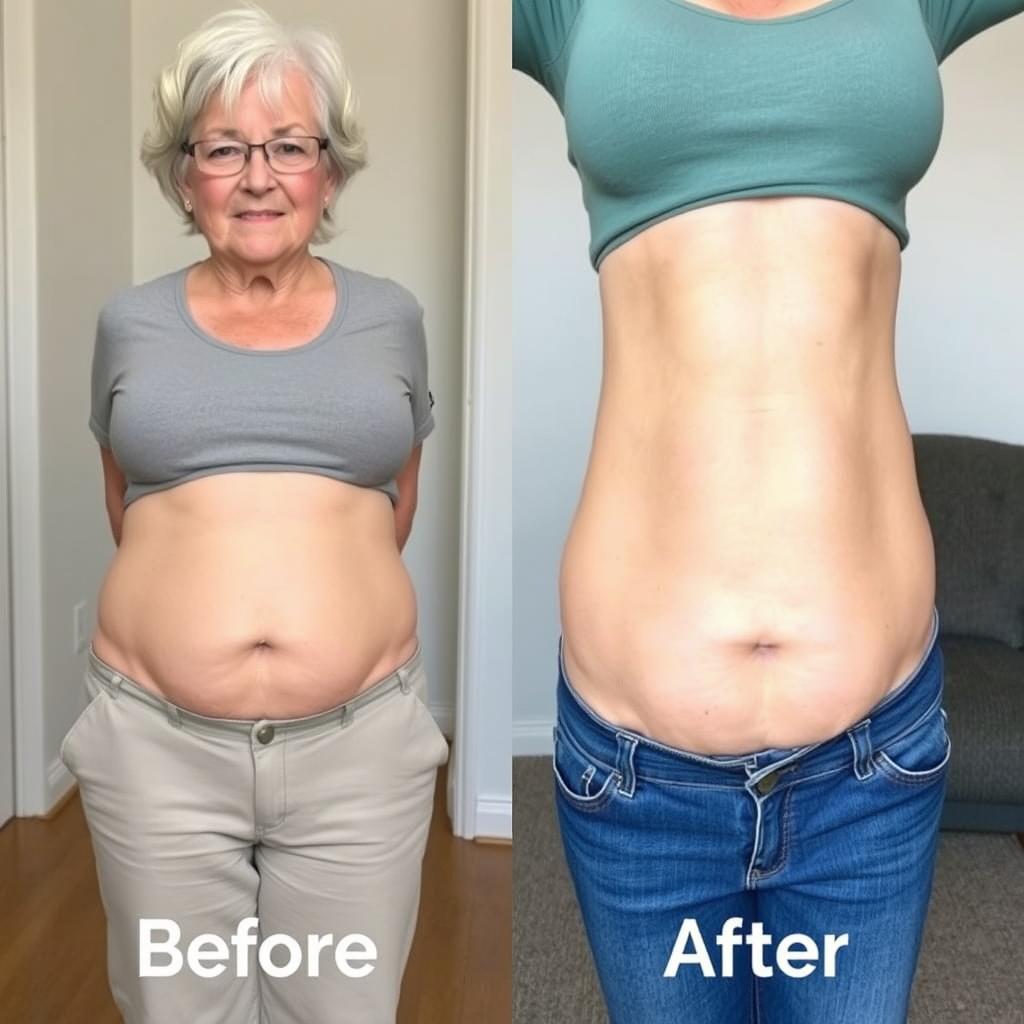
Maria’s Story: Success After Menopause
“Menopause hit me hard, and suddenly I had this belly that wouldn’t budge no matter what I tried. I was working out 5 days a week and eating what I thought was healthy, but my waistline kept expanding. Learning about how my changing hormones affected fat storage was a game-changer. By adjusting my approach to work with my body instead of against it, I’ve lost 4.5 inches from my waist in just 12 weeks.”
These women and thousands more have discovered that the key to losing stubborn belly fat isn’t about working harder—it’s about working smarter with strategies specifically designed for female biology.
Join These Success Stories Today
Thousands of women have already transformed their bodies and health with this revolutionary approach. You could be the next success story.
Click here to discover the #1 method to melt stubborn belly fat
Frequently Asked Questions About Female Belly Fat

How long does it typically take to see results when trying to lose belly fat?
Most women begin to notice changes in how their clothes fit within 4-6 weeks of consistent effort. However, visible changes in appearance typically take 8-12 weeks of following the right approach. Remember that visceral (internal) fat often reduces before subcutaneous (visible) fat, so health improvements may occur before visual changes.
Can belly fat be targeted specifically, or do I need to lose weight overall?
While spot reduction (losing fat from just one area) isn’t possible, certain strategies can prioritize belly fat loss as part of overall fat reduction. Approaches that address hormonal factors like cortisol and insulin are particularly effective for women trying to reduce abdominal fat specifically.
Does menopause make it impossible to lose belly fat?
No, but it does make it more challenging. The hormonal changes during menopause promote fat storage in the abdomen, but with the right strategies that work with these hormonal shifts rather than against them, women can absolutely reduce belly fat during and after menopause. It requires a more targeted approach than what works for younger women.
How does stress really affect belly fat in women?
Chronic stress elevates cortisol levels, which directly signals your body to store fat specifically in your abdominal area. For women, this effect is particularly pronounced. Additionally, stress often leads to emotional eating and disrupted sleep, both of which further contribute to belly fat accumulation.
Are there any supplements that actually help with belly fat loss?
While no supplement can replace proper diet and exercise, some evidence suggests that certain supplements may support belly fat reduction efforts. These include omega-3 fatty acids, probiotics specifically containing Lactobacillus strains, and green tea extract. Always consult with a healthcare provider before starting any supplement regimen.
It’s Time to Finally Conquer Stubborn Belly Fat
Understanding why belly fat is so stubborn for women is the first step toward finally conquering it. The unique biological challenges women face require specific strategies that work with female physiology rather than against it.
While the science-backed approaches we’ve discussed can certainly help, many women find that having a comprehensive, structured system specifically designed for female biology yields the fastest and most sustainable results.
Remember that reducing belly fat isn’t just about appearance—it’s about improving your long-term health, reducing disease risk, and enhancing your quality of life. The benefits extend far beyond how you look in the mirror.
Don’t let another day pass feeling frustrated with stubborn belly fat. You now understand why traditional approaches may have failed you in the past, and you have the knowledge to move forward with strategies that actually work for your body.
Take the First Step Today
Join thousands of women who have already discovered the breakthrough approach to finally eliminating stubborn belly fat. Your transformation begins with one simple click.
Click here to discover the #1 method to melt stubborn belly fat
This article sheds light on the persistent issue of belly fat in women, which often feels like an uphill battle. It’s interesting how hormonal changes and biological factors play such a significant role in where fat is stored, especially as we age. The distinction between alpha and beta fat cells was eye-opening—no wonder the belly area seems so resistant to change! I wonder if there are specific strategies or lifestyle changes that could target those stubborn beta cells more effectively? The mention of stress hormones like cortisol was also a reminder of how interconnected our mental and physical health truly are. Do you think stress management techniques like meditation or yoga could make a noticeable difference in reducing belly fat? Overall, this article feels both informative and empowering, but I’d love to hear from others who’ve successfully tackled this challenge!
We’ve integrated libersave into our regional voucher system. It’s amazing how easily it allows us to bring together various providers on one platform.
This article really dives deep into the science behind stubborn belly fat, especially for women. It’s interesting how hormones like estrogen and cortisol play such a significant role in fat storage. I’ve always wondered why it’s so hard to lose belly fat compared to other areas, and now it makes sense with the explanation of alpha and beta fat cells. The part about hormonal changes during menopause was eye-opening—it’s not just about aesthetics but also health risks. I’m curious, though, are there specific strategies mentioned in the article that target these beta cells directly? Also, how much of a role does diet versus exercise play in tackling this issue? I’d love to hear more about actionable steps because it feels like such a common struggle.
We’ve integrated libersave into our regional voucher system. It’s amazing how easy it is to combine different providers on one platform.
Thanks for sharing your thoughts—it’s clear the article resonated with you on a deeper level! The hormonal connection to stubborn belly fat, especially how estrogen and cortisol interact with alpha and beta fat receptors, really reframes the whole “just eat less and move more” narrative. You’re absolutely right—it’s not just about appearance, but long-term health, especially around menopause when metabolic shifts hit harder.
As for strategies that target beta fat cells more directly, the article hinted at some approaches, though they’re often more about improving hormonal balance overall—like managing stress to reduce cortisol, getting quality sleep, and choosing workouts that promote insulin sensitivity (think strength training and moderate-intensity cardio rather than chronic high-intensity routines). Diet-wise, focusing on whole foods, reducing refined sugars, and timing meals to support hormonal rhythms can also make a big difference. It’s definitely a layered approach, not a quick fix.
And wow—congrats on integrating Libersave into your voucher system! That sounds like a game-changer for both providers and users. Combining tech innovation with health and wellness solutions is the kind of synergy we need more of. Are you planning to tie any of that functionality into health-focused incentives or programs? That could be a powerful way to drive real impact.